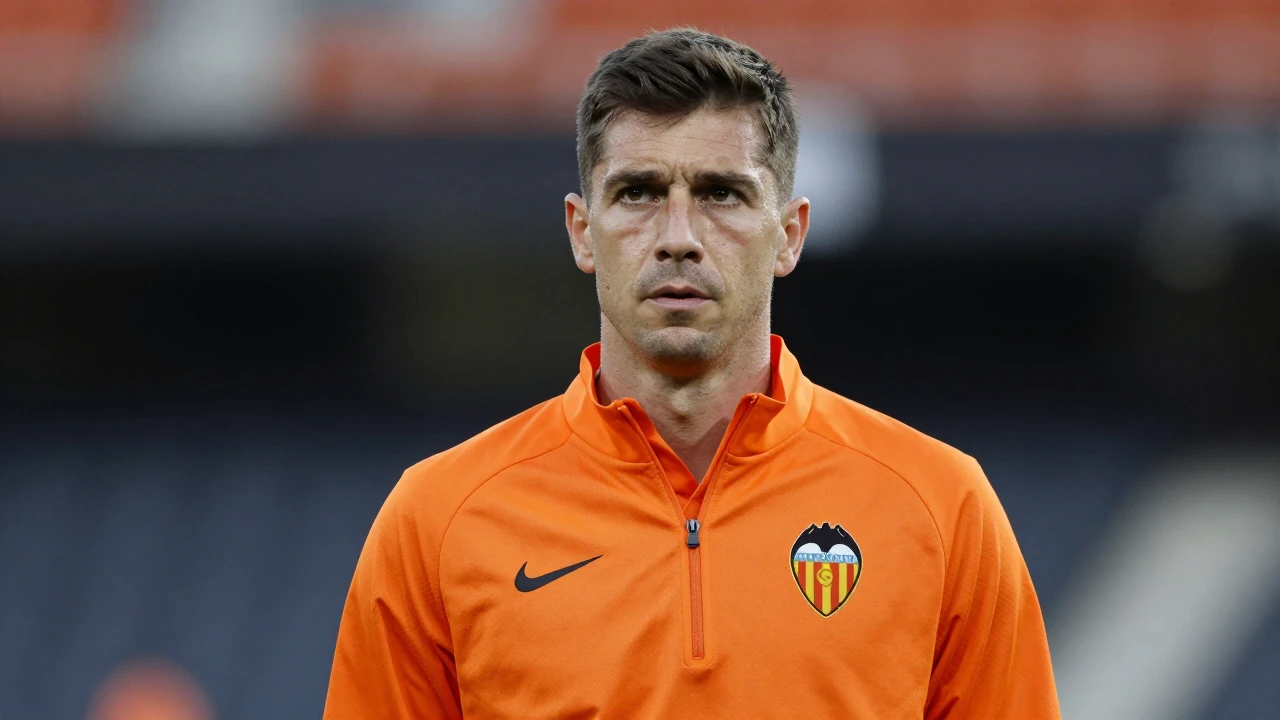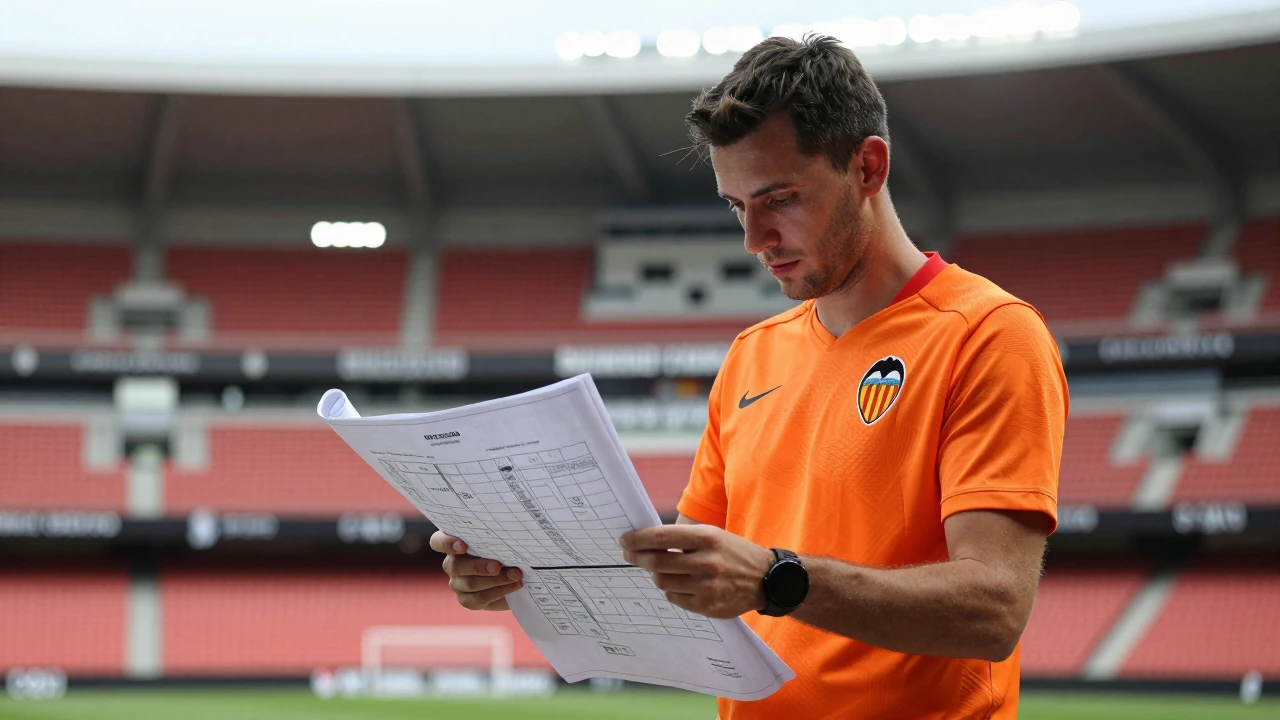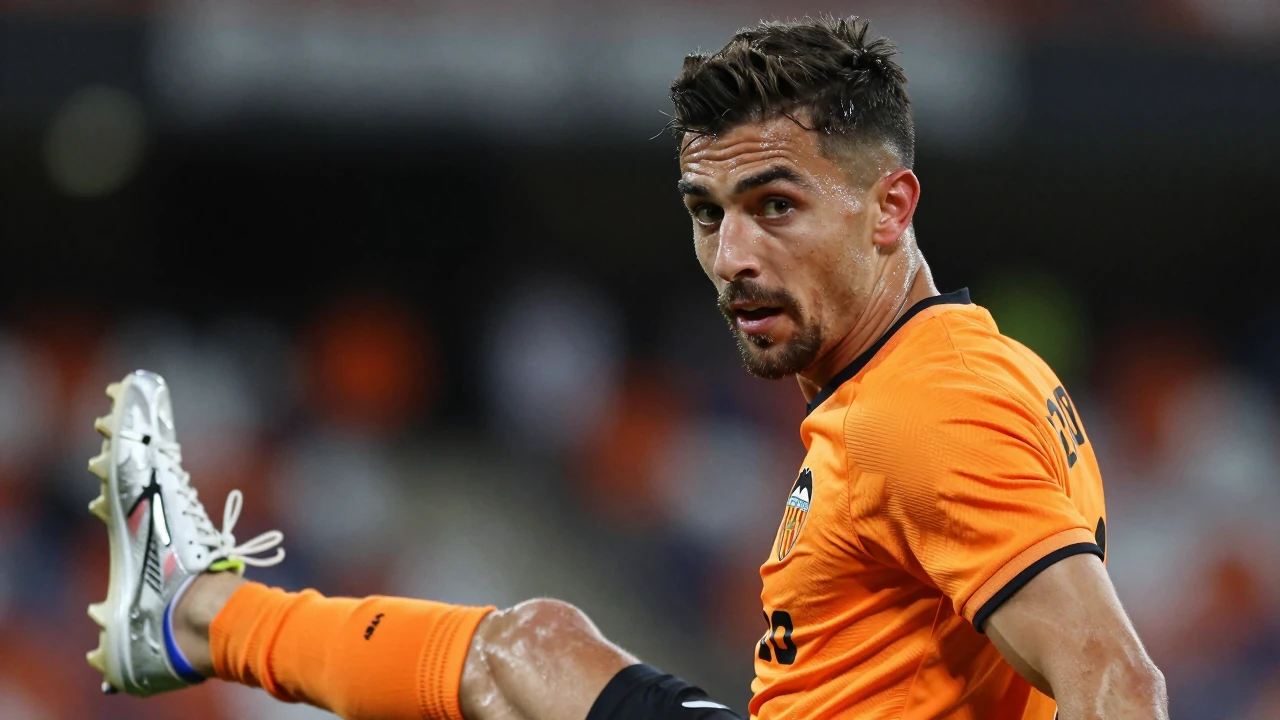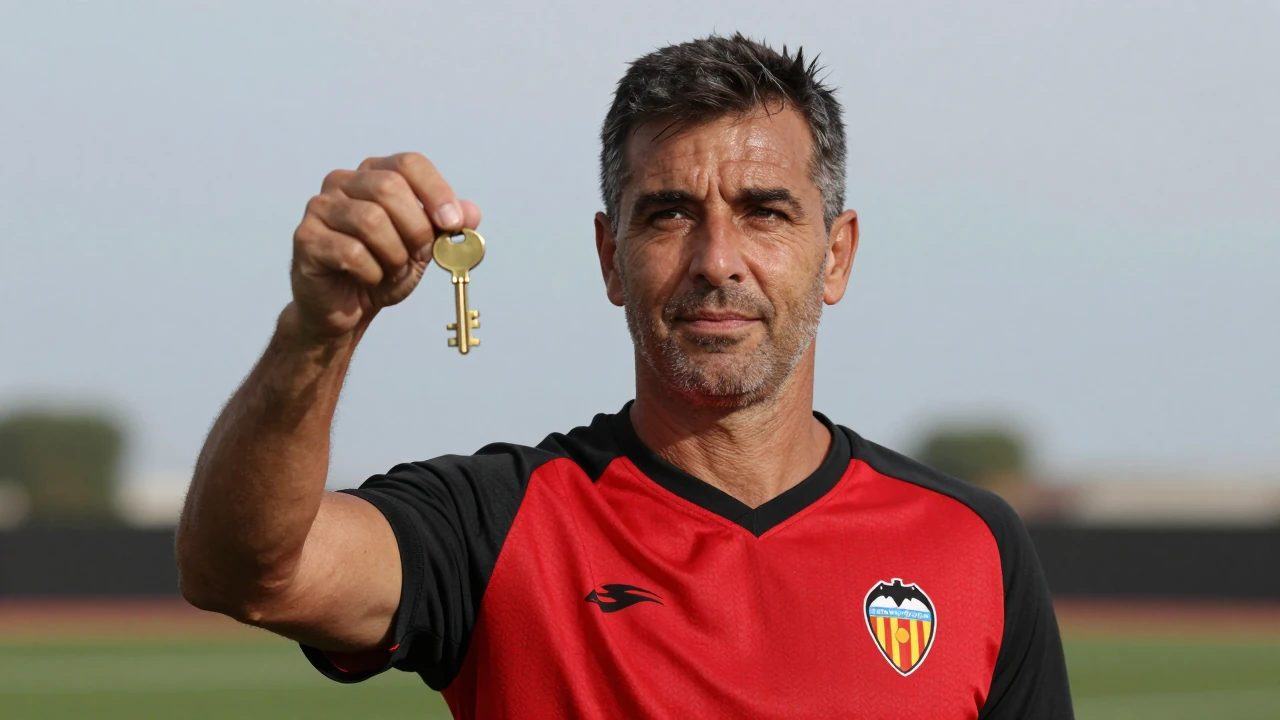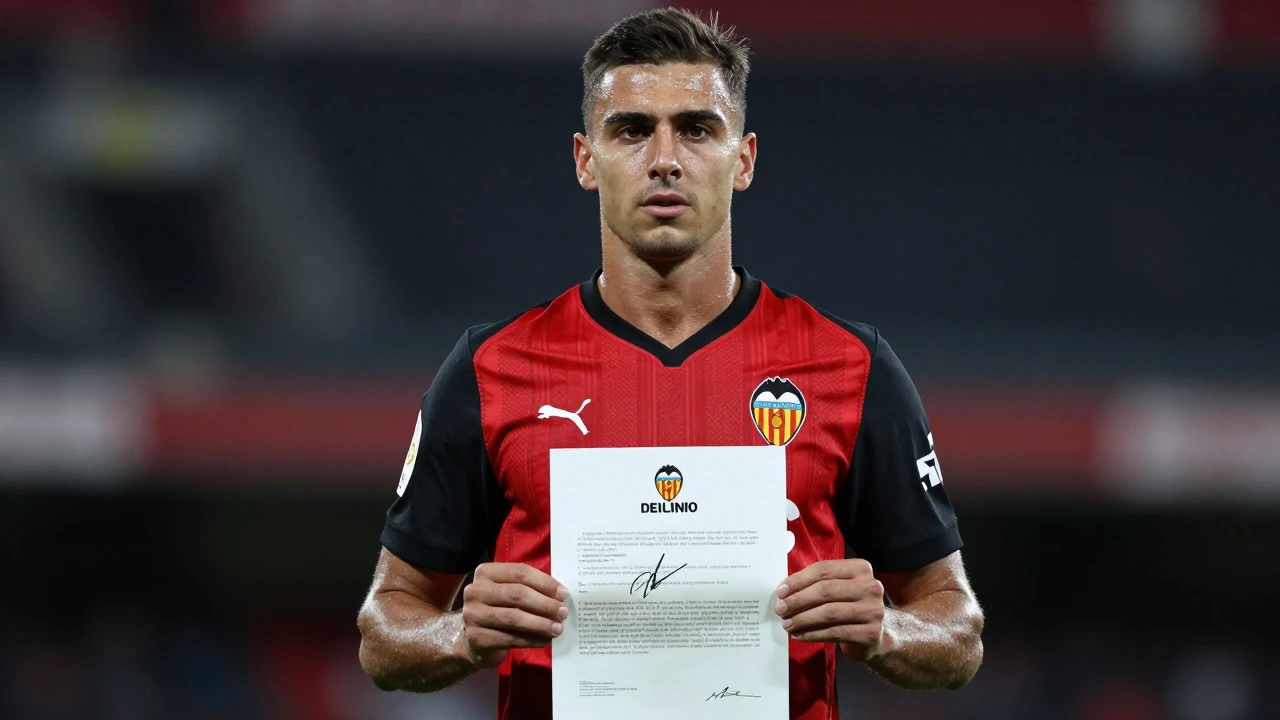
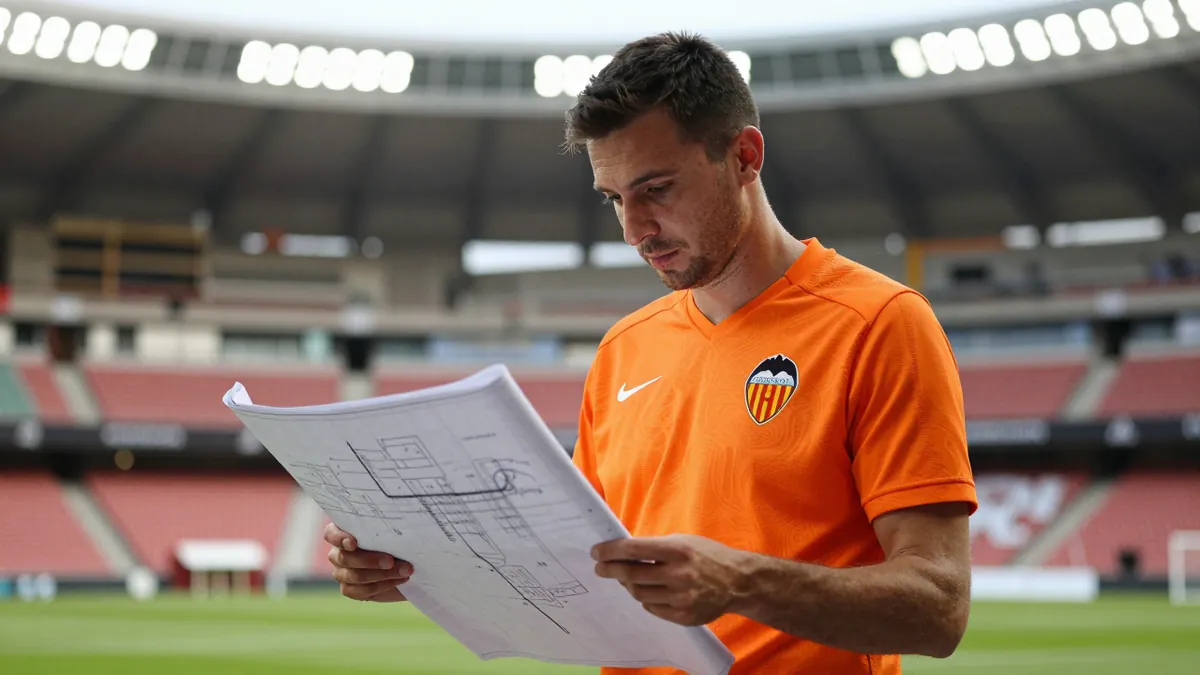
Valencia Club de Fútbol has entered a new era under the leadership of Kiat Lim, who took over as president in March 2026. The 32‑year‑old oversees the completion of the Nou Mestalla stadium, a venue of over 70,000 seats slated to open in 2027. Also, the club secured €322 million through notes and a loan to fuel the project, making the new arena the fourth‑largest in Spain.
Kiat Lim, son of health magnate Peter Lim, assumed the role with a clear vision: transform the club's infrastructure and image. "We’re moving from fewer than 500 hospitality seats to more than 6,500," he said in his first interview, emphasizing the ambition to turn Nou Mestalla into a growth engine. His approach blends investment in facilities with tighter financial management, aiming to lift the club out of the debt shadow that followed the 2014 purchase.
On the sporting side, Valencia Club de Fútbol finished the 2025 season in 14th place in La Liga, with 35 points, 9 wins, 8 draws and 14 losses, and a recent form of LLWLW. The team scored 34 goals and conceded 46, leaving a -12 goal difference. Additionally, the club sits 44 points behind leaders Barcelona in the title race. These figures show an uneven campaign, but the new leadership aims to reverse the trend through structural upgrades and greater competitiveness on the pitch.
Construction of Nou Mestalla progresses despite earlier delays. With financing now guaranteed, the next steps include completing the hospitality area and installing state‑of‑the‑art lighting systems. The stadium is expected to host not only football matches but also large‑scale events year‑round, generating extra revenue that will benefit the squad and the fans.
Kiat Lim envisions a Valencia Club de Fútbol that blends tradition with modernity. "Nou Mestalla is not only bricks and seats; it’s the engine that will drive our next era of growth," the president asserted. The strategy includes strengthening the first team, enhancing the youth academy, and creating a match‑day experience that attracts local and international supporters. With infrastructure underway and a focus on stability, the club aims to climb the La Liga table and return to European competition.
In short, the combination of a new president, solid financing, and the promise of Nou Mestalla marks a turning point for Valencia Club de Fútbol, whose future will depend on how these plans translate into results both on and off the field.