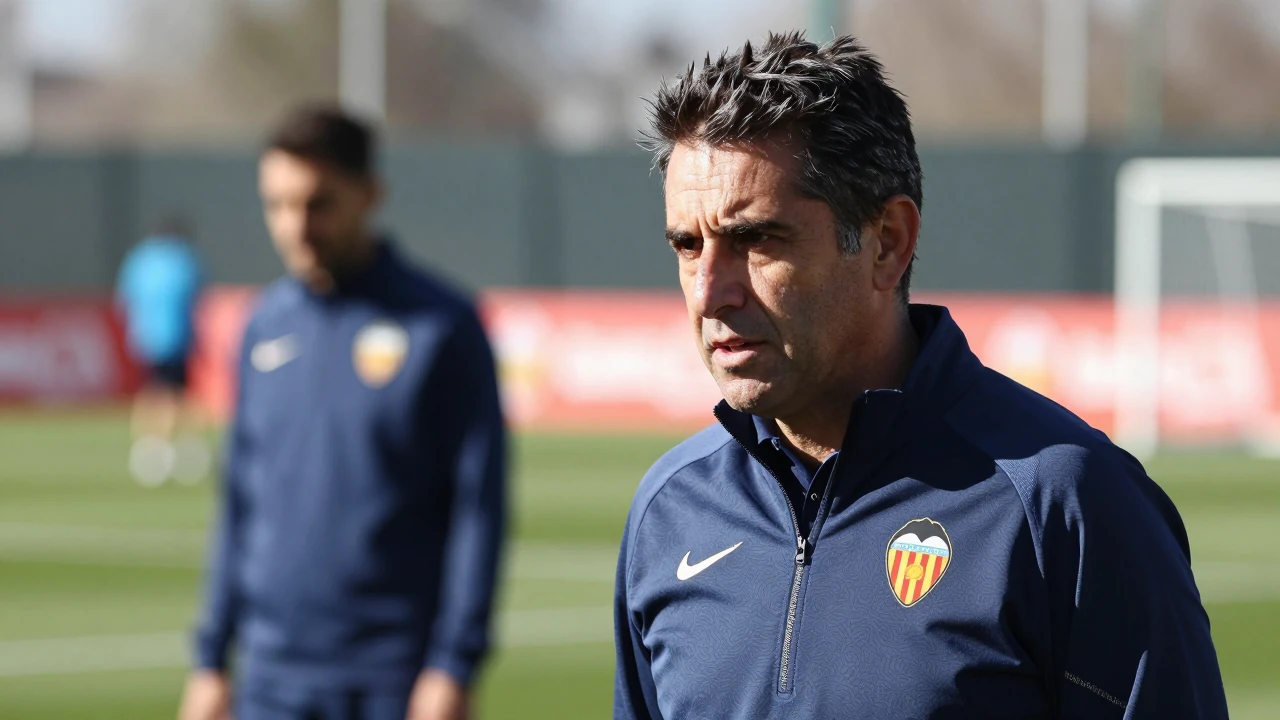
Valencia Club de Fútbol is undergoing a deep institutional and sporting crisis after twelve years under the ownership of Singaporean businessman Peter Lim. A report from La Vanguardia Deportes published this week analyses the club's collapse, which has lost its soul and competes without the ambition demanded by its history, a situation worsened by their terrible start to the 2026/27 season.
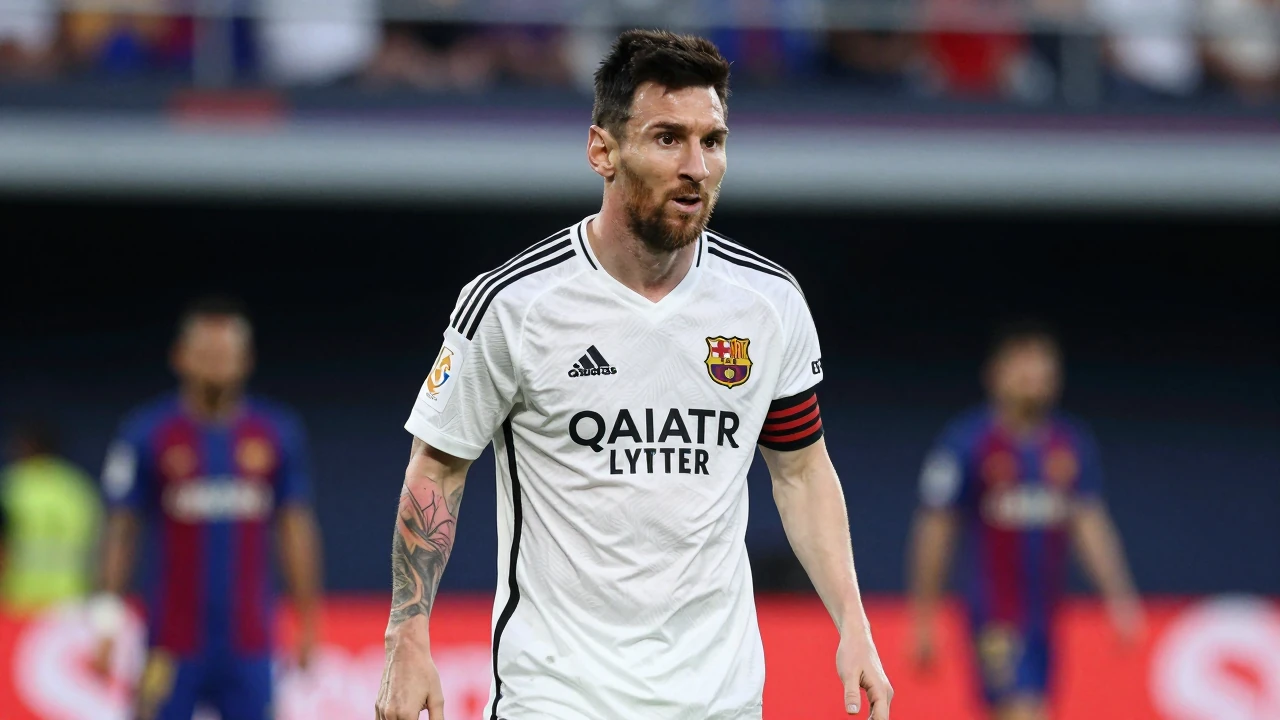
The team is in 17th place in La Liga with just one point after three matchdays, following two losses and a draw. Their goal difference stands at one scored and four conceded, leaving them eight points behind the leaders, Barcelona, the rival they hosted at Mestalla in a fixture that once paralyzed the city and now only generates hopes of avoiding a heavy defeat.
What has happened to Valencia CF?
The current crisis is not only sporting, but institutional. Journalist Paco Lloret, who has warned about the situation for years, already referred to the Lim era in 2021 as "la gran decepción" (the great disappointment). The report describes a club without a recognizable project, poor activity in the transfer market, and a permanent promise of the future that justifies an increasingly unbearable present. Valencian symbol Mario Kempes has stated that "Lim no es aficionado al fútbol o que no le interesa el Valencia y que lo puede haber comprado por otros intereses" (Lim is not a football fan or isn't interested in Valencia and may have bought it for other interests). This lack of connection contrasts with the social reaction that rescued the club from relegation in 1986.
What is the historical context of the decline?
The decline of Valencia CF is framed within a broader context of the failure to protect Valencian institutions. The previous owner, Juan Soler, led the club to bankruptcy during the brick fever. Entities like Bancaja, Banco de Valencia and CAM were intervened or disappeared, and Canal 9 closed due to disastrous management and astronomical debt. The report questions where the elites, entrepreneurs, and politicians are in defending the club now, noting that a club cannot survive on concrete alone, in reference to the progress of the Nou Mestalla as part of Lim's financial project.
How does this crisis affect the current team?
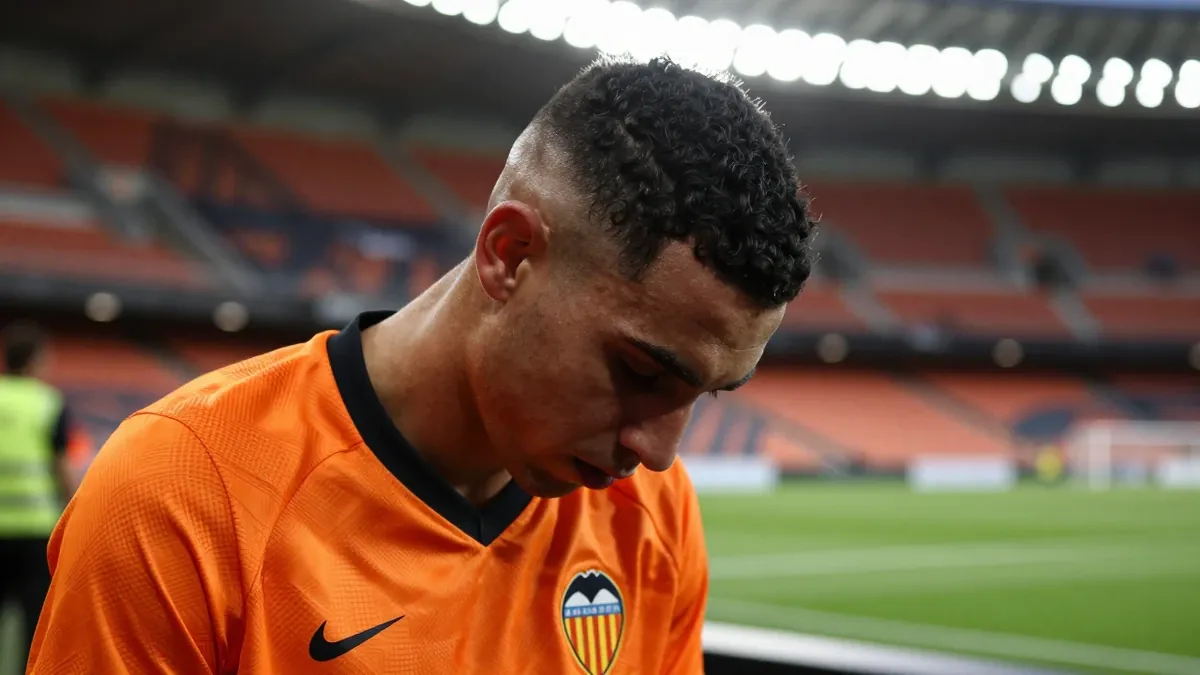
The lack of a competitive project is reflected in the poor results. The team faces their next match, against Sevilla on September 11, with an injury list that complicates the manager's task. Players Sergi Canós, Jesús Copete, Jasper De Haas, Diego López, Gabriel Rodríguez and Umar Sadiq are currently sidelined, a situation you can follow on our injuries page. This adversity adds to the demoralization of a fanbase that sees how the sentiment, which isn't reflected in financial statements, is dying.
What could happen with the club's future?
The danger is that the Nou Mestalla becomes a sad monument without a competitive team to inhabit it. Writer Rafa Lahuerta, author of 'La balada del bar Torino', and other analysts fear the club no longer resembles itself. The solution requires more than a new stadium; it needs a reconnection with its essence and leadership with a sporting vision. Meanwhile, the squad must focus on the visit to Sevilla, seventh in the table, a key match to try and climb the standings.